
Evergreen
membership
Growth
Abstract Edge helps successful (but stuck) membership site owners to achieve breakthrough growth, bringing in new members day after day. And we’re all-in. If we cannot profitably grow your membership, we don’t charge you a dime!

Approach
— Our Approach
Our Approach to Growth
First, we really take the time get to know you and your market and we go deep. Who they are. What they deeply care about. How your membership helps them achieve their goals.
With that clarity we design and build a fully customized evergreen marketing “machine” that sends tons of your perfect people to your sales page.
Evergreen means you can welcome new members all the time. Day after day after day. No more waiting until your next big launch!
And here’s something our partners really appreciate. We only get paid once our work together is profitable. Our incentives are 100% aligned. If you don’t make money, we don’t make a dime.
And once the sales are coming in, we keep making it better and better over time.
Create. Automate. Ka-ching. Enhance.
Piece of CAKE!
— Why Us
Why Leading membership businesses Choose to Work With Us

True Partnership
You can hire an agency, sure. But then you’ll pay big fees no matter what. We only make money if you make money.

frees up your time
We focus on marketing so you can focus on what you actually love to do – serving and supporting your members.

strategic & creative
We bring together the science and art of digital marketing to everything we do, from ads to video to websites to social media and more.

Custom & Personalized
While we have a proven strategic framework, every membership is different. Your marketing “machine” is unique and custom built.
Examples
— Recent Partners
Our partners are on a mission
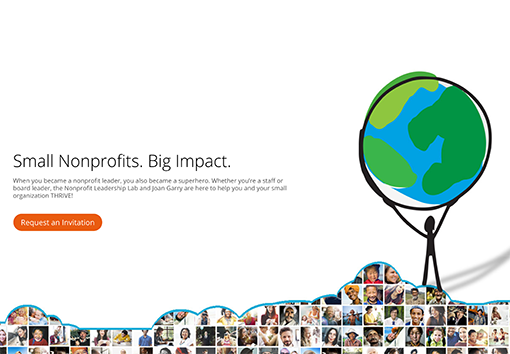
Nonprofit Leadership Lab
Abstract Edge co-founded this membership which has served more than 11,000 nonprofit leaders in its first 5 years.

Business Academy for Women
Our evergreen approach tripled the size of this already successful (but stuck) membership site in just 5 months.
Serving mission-driven companies since 1999
Years
Happy Clients
Our clients and partners believe deeply in their missions. The more people they can serve, the bigger the impact they have on the world.

Let’s Get to know each other

Scott Paley, CEO

Marcel Hirschegger, Creative Director